
Code violations on a Long Island property can feel like a wall between you and a sale. Unpermitted additions, open building violations, zoning issues, and municipal citations all create complications that most retail buyers and their lenders are not equipped to deal with. If you have been sitting on a property with open violations and wondering whether a sale is even possible, the answer is yes, but the path depends on the type of violation, the county, and how you choose to sell.
This guide is written specifically for Nassau and Suffolk County property owners. The two counties handle code enforcement differently; the violation types that come up most frequently on Long Island are specific to the local housing stock, and the options available to you depend on understanding how the local system actually works.
Why Code Violations Are So Common on Long Island
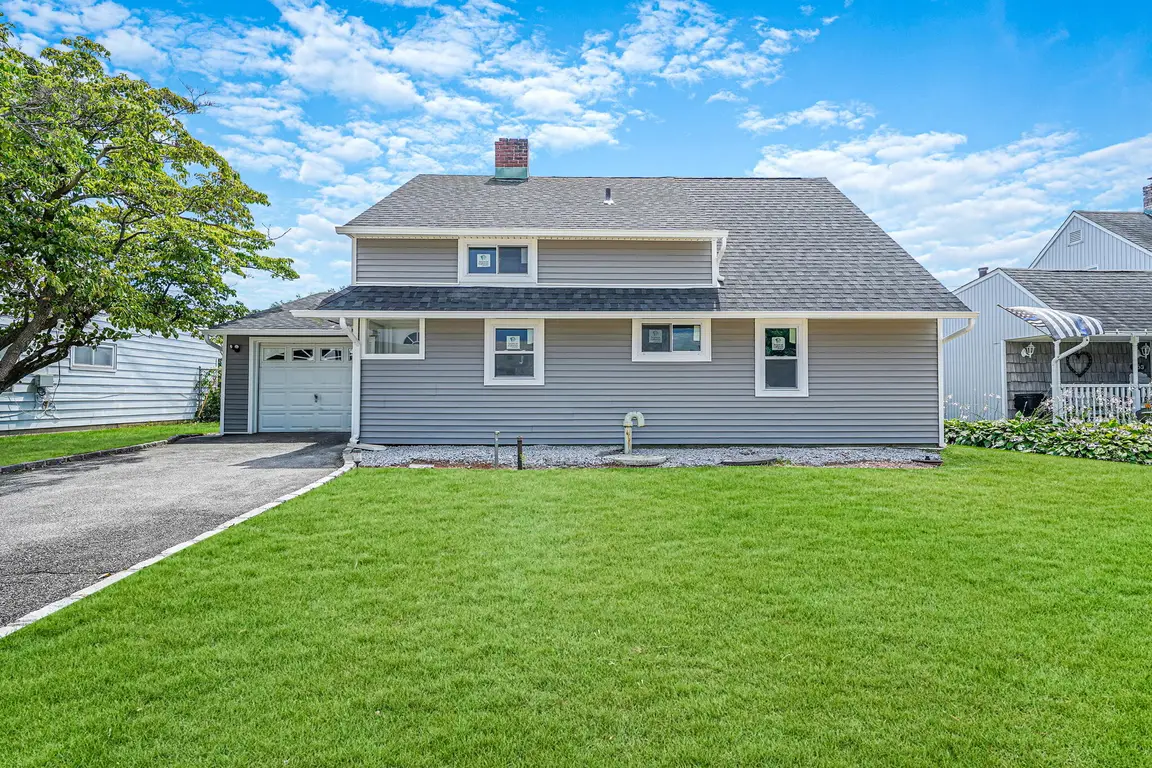
Long Island has an enormous amount of older housing stock, much of it built in the post-war era when permits were less rigorously tracked, and enforcement was inconsistent. Decades of homeowner improvements, additions, basement conversions, garage enclosures, and deck builds happened without permits, and those unpermitted structures became permanent features of properties that changed hands multiple times before anyone noticed.
The result is that a significant percentage of Long Island homes have some form of open permit issue or code violation, ranging from a permit pulled in 1987 that was never finaled, to a certificate of occupancy that does not reflect the current configuration of the house. When those properties enter the market, and a buyer orders a title search or the municipal search required by a lender, the violations surface and the deal gets complicated.
How Nassau and Suffolk Counties Handle Violations Differently
Nassau County code enforcement runs through individual municipalities, meaning the rules and processes in Hempstead differ from those in North Hempstead, Oyster Bay, or the incorporated villages within those towns. Each municipality has its own building department, its own violation ticketing process, and its own procedures for resolving open permits and certificates of occupancy. What is considered a minor violation in one town may be treated as a more significant issue in a neighboring municipality.
Suffolk County similarly has ten towns, each with independent building departments, and dozens of incorporated villages with their own separate code enforcement structures. The Suffolk County Department of Economic Development and Planning provides some oversight at the county level, but the day-to-day enforcement and violation resolution process runs through the individual town building departments in communities like Babylon, Islip, Brookhaven, Huntington, and Smithtown.
This fragmentation is one reason code violation situations on Long Island can be so difficult to navigate. There is no single set of rules that applies uniformly, and the process of resolving a violation in Babylon looks different from the same process in Oyster Bay or Hempstead.
The Most Common Types of Violations on Long Island Properties
Unpermitted Additions and Conversions
The most common violation type we encounter on Long Island is an unpermitted addition, basement conversion, or garage enclosure. A previous owner added a bedroom in the basement, converted a garage to living space, or built a dormer without pulling permits. These structures are now part of the house but do not appear on the certificate of occupancy. Retail buyers using conventional financing often cannot close on a property where the C of O does not match the actual structure.
Open Building Permits
A permit that was pulled for work but never inspected and closed is an open permit. Open permits appear in municipal searches and can prevent a sale from closing because the title company cannot issue clear title until the permit is resolved. Resolving an open permit typically requires hiring a licensed contractor to bring the work up to current code, scheduling inspections, and paying any associated fees. Depending on how old the permit is and what work it covered, this can be straightforward or very involved.
Zoning Violations
Properties used in ways that do not conform to current zoning, such as an accessory dwelling unit that was added without approval, a home-based business that was never properly registered, or a commercial use in a residential zone, can carry zoning violations that complicate a sale. Zoning violations on Long Island can also arise from lot coverage issues where additions or structures exceed what the zoning code allows for the property’s square footage.
Certificate of Occupancy Issues
The certificate of occupancy is the document that confirms a structure was built in compliance with applicable codes at the time of construction. Missing C of Os, C of Os that predate significant work, and C of Os that do not reflect current use are all issues that surface during the sale process and require resolution before most conventional lenders will approve financing. In some cases, the C of O issue is straightforward to resolve. In others, it requires retroactive permitting, inspections, and potentially remediation of work that does not meet current code.
Have open violations on your Nassau or Suffolk County property and want to know what a cash offer looks like? We Buy Homes In Long Island buys properties with open violations, permit issues, and C of O problems throughout Long Island. Call us at (631) 201-1727 or fill out our online form for a no-obligation offer.
How Code Violations Affect a Traditional Sale
Retail buyers using conventional financing face the most significant challenges with code violations because lenders require a clear title and a property that conforms to its certificate of occupancy. FHA and VA loans have particularly strict property condition requirements and will typically not approve financing on a property with open violations or a C of O that does not match the current structure. Even conventional loans often require violations to be resolved before closing.
The complication for sellers is timing and cost. Resolving violations requires hiring licensed contractors, pulling retroactive permits, scheduling municipal inspections, and waiting for municipal sign-off. On Long Island, that process can take months and cost tens of thousands of dollars depending on the scope of the unpermitted work. A seller who does not have the cash to fund that remediation, or who does not want to manage a construction project before selling, faces a real obstacle.
Cash buyers sidestep this problem because there is no lender requiring clear title before funding. A cash buyer evaluates the property with the violations factored in, makes an offer that accounts for the cost of resolution after closing, and does not require the seller to fix anything first.
Your Options When Selling With Open Violations
Resolve the Violations Before Listing
If the violations are minor, the cost is manageable, and you have time, resolving them before listing gives you the widest buyer pool and the best chance at a retail price. This makes the most sense when the violation is a single open permit or a straightforward C of O update, the municipal process in your town is predictable, and you are not under time pressure. It is less practical when multiple violations exist, the work required to bring structures into compliance is substantial, or you need to sell quickly.
List As-Is and Disclose
New York requires sellers to disclose known material defects, and open code violations are material defects. Listing as-is with full disclosure attracts cash investors and buyers comfortable taking on the violation resolution themselves. The tradeoff is a smaller buyer pool and typically a lower offer price. Buyers who take on violations are pricing in the cost and the risk of resolution, which often produces offers below what a clean property would attract.
Sell to a Cash Buyer
Selling directly to a cash buyer is the most straightforward path when violations are significant, the timeline is tight, or the cost of remediation is not something you want to carry. We Buy Homes In Long Island has purchased properties across Nassau and Suffolk Counties with open building violations, missing certificates of occupancy, unpermitted additions, and zoning issues. We assess the full situation and make an offer that accounts for the violations honestly. You do not need to resolve anything before closing.
What Happens to Violations After the Sale
When you sell a property with open violations to a cash buyer, the violations and the obligation to address them transfer with the property. The new owner is responsible for resolving the violations with the municipality. As the seller, your obligation is to disclose what you know, which protects you from future liability after the sale closes.
It is worth consulting with a real estate attorney before closing on any Long Island property sale involving open violations to make sure the disclosure and contract language properly reflect the situation. The Nassau County Bar Association and the Suffolk County Bar Association both offer referral services for property owners who need real estate or legal counsel.
What to Do If You Are Not Sure What Violations Are Open
Many Long Island homeowners are not fully aware of what open permits or violations exist on their property. A municipal search, which is typically ordered by the title company during a sale, will surface most open permits and violations of record. You can also request a property history directly from your town or village building department before you begin the sale process.
Getting ahead of the municipal search by requesting your own records first gives you time to understand what you are dealing with and make an informed decision about how to proceed. It also prevents violations from surfacing late in a transaction and derailing a deal that was close to closing.
Whether your Long Island property has one open permit or a more complicated violation history, we can review the situation and give you a straight cash offer. We Buy Homes In Long Island serves communities across Nassau and Suffolk Counties including Huntington, Hempstead, Commack, Farmingdale, and throughout the island. Learn more about how we buy houses or visit our FAQ page.